Buy 掍.com ?
We are moving the project
掍.com .
Are you interested in purchasing the domain
掍.com ?
domain@kv-gmbh.de · 0541-91531010
Buy 掍.com ?
Which martial art is best for fighting and self-defense?
The best martial art for fighting and self-defense depends on the individual's preferences, physical abilities, and the specific situation. Some martial arts, like Brazilian Jiu-Jitsu and Krav Maga, focus on practical self-defense techniques and are effective for real-life situations. Others, like Muay Thai and Boxing, are known for their striking and stand-up fighting skills. Ultimately, the best martial art for fighting and self-defense is one that the individual enjoys and can consistently practice to develop their skills and confidence in defending themselves. **
What is the connection between martial arts, self-defense, and fighting?
Martial arts is a discipline that encompasses various techniques and skills for self-defense and fighting. It provides individuals with the ability to defend themselves in dangerous situations, while also promoting physical fitness and mental discipline. Self-defense is a practical application of martial arts, focusing on techniques to protect oneself from harm. Fighting, on the other hand, is the competitive aspect of martial arts, where individuals engage in controlled combat with rules and regulations. Overall, martial arts serves as a foundation for both self-defense and fighting, providing individuals with the necessary skills and mindset to protect themselves and compete in combat sports. **

Similar search terms for Countries
Top-Angebote
Products related to Countries:
-
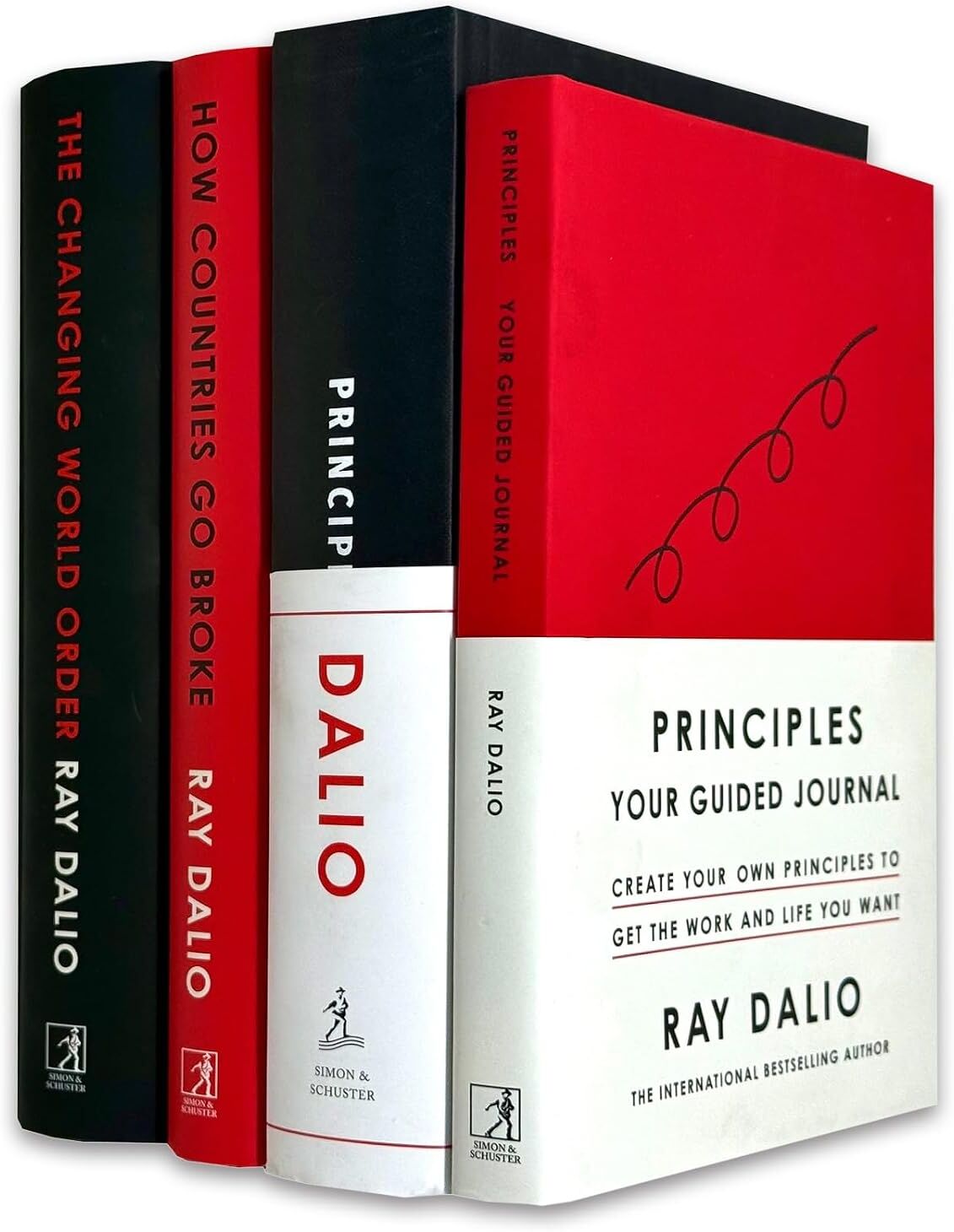
Ray Dalio Collection (Principles: Life and Work, The Changing World Order, How Countries Go Broke & Guided Journal) 4 Books Set - Non Fiction - Hardback Simon & SchusterTitles in this Set: 1. Principles: Life and Work 2. Principles for Dealing with the Changing World Order 3. How Countries Go Broke: The Big Cycle 4. Principles: Your Guided Journal Description: Principles: Life and Work In 1975, Ray Dalio founded an investment firm, Bridgewater Associates, out of his two-bedroom apartment in New York City. Forty years later, Bridgewater has made more money for its clients than any other hedge fund in history and grown into the fifth most important private company in the United States, according to Fortune magazine. Dalio himself has been named to Time magazine’s list of the 100 most influential people in the world. Along the way, Dalio discovered a set of unique principles that have led to Bridgewater’s exceptionally effective culture, which he describes as “an idea meritocracy that strives to achieve meaningful work and meaningful relationships through radical transparency.” It is these principles, and not anything special about Dalio—who grew up an ordinary kid in a middle-class Long Island neighborhood—that he believes are the reason behind his success. In Principles, Dalio shares what he’s learned over the course of his remarkable career. He argues that life, management, economics, and investing can all be systemized into rules and understood like machines. The book’s hundreds of practical lessons, which are built around his cornerstones of “radical truth” and “radical transparency,” include Dalio laying out the most effective ways for individuals and organizations to make decisions, approach challenges, and build strong teams. He also describes the innovative tools the firm uses to bring an idea meritocracy to life, such as creating “baseball cards” for all employees that distill their strengths and weaknesses, and employing computerized decision-making systems to make believability-weighted decisions. While the book brims with novel ideas for organizations and institutions, Principles also offers a clear, straightforward approach to decision-making that Dalio believes anyone can apply, no matter what they’re seeking to achieve. Principles for Dealing with the Changing World Order A few years ago, Ray Dalio noticed a confluence of political and economic conditions he hadn’t encountered before. They included huge debts and zero or near-zero interest rates that led to massive printing of money in the world’s three major reserve currencies; big political and social conflicts within countries, especially the US, due to the largest wealth, political and values disparities in more than 100 years; and the rising of a world power (China) to challenge the existing world power (US) and the existing world order. The last time that this confluence occurred was between 1930 and 1945. This realisation sent Dalio on a search for the repeating patterns and cause/effect relationships underlying all major changes in wealth and power over the last 500 years. In this remarkable and timely addition to his Principles series,...35,99 £*Shipping: 0,00 £Secure redirect to the provider
-
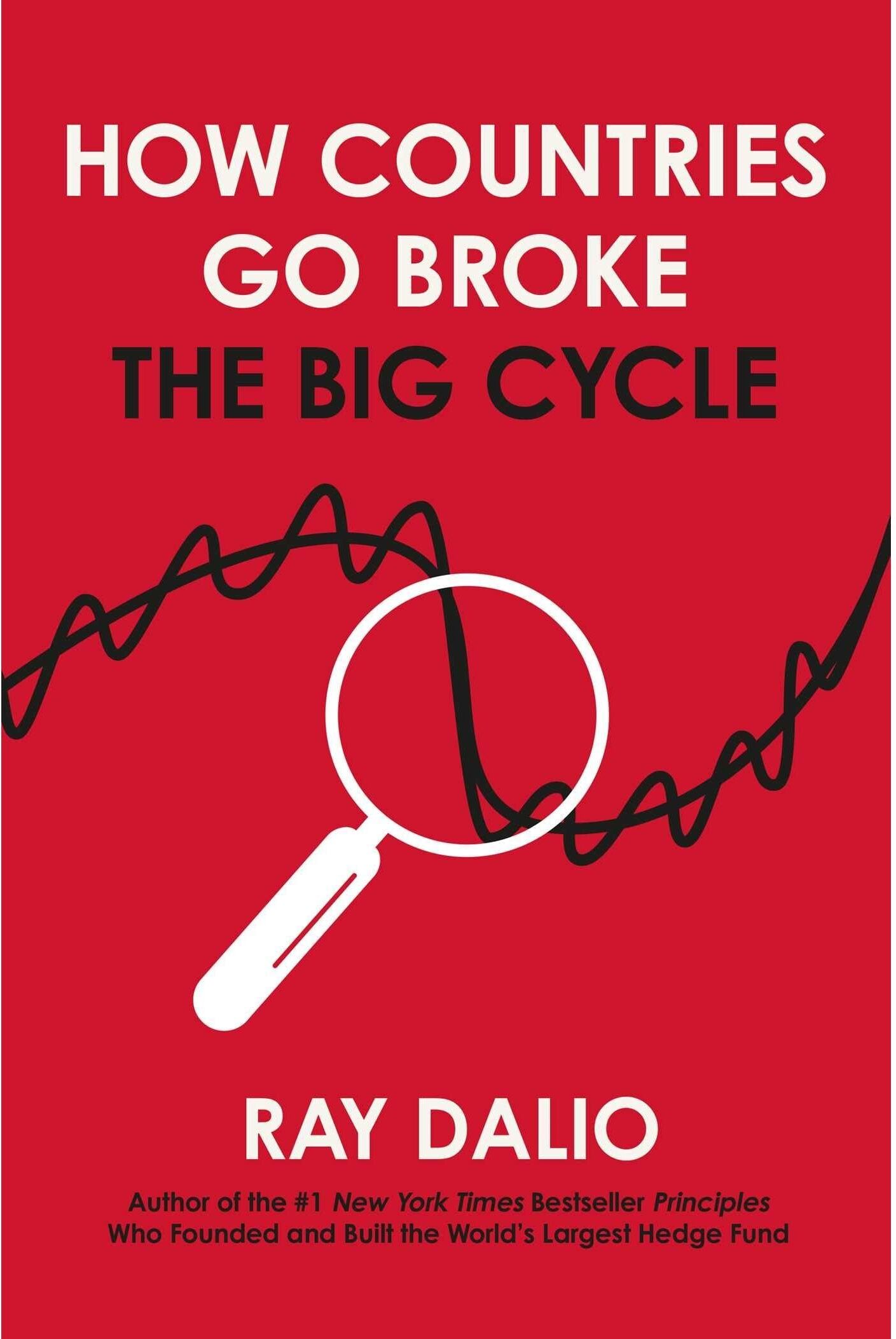
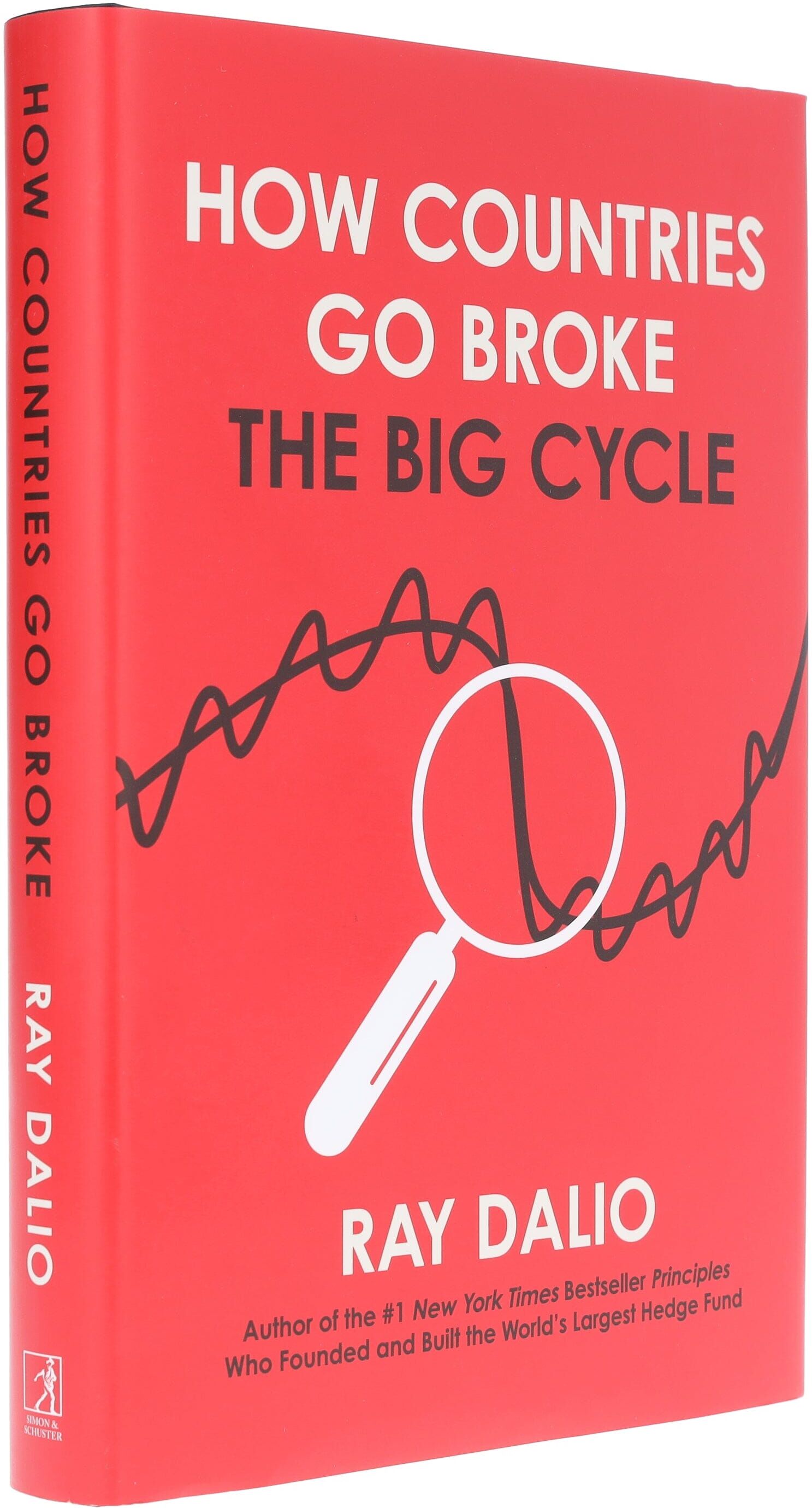
How Countries Go Broke Principles for Navigating the Big Debt Cycle, Where We Are Headed, and What We Should Do by Ray Dalio - Non Fiction - Hardback Simon & SchusterDo big government debts threaten our collective well-being? Are there limits to debt growth? Can a big, important reserve currency country like the United States really go broke – and what would that look like? For decades, politicians, policymakers and investors have debated these questions, but the answers have eluded them. In this groundbreaking book, Ray Dalio, one of the greatest investors of our time who anticipated the 2008 global financial crisis and the 2010–12 European debt crisis, shares for the first time his detailed explanation of what he calls the 'Big Debt Cycle'. Understanding this cycle is critical for helping policymakers, investors and the general public grasp where we are and where we are headed with the debt issue. Dalio's model points toward surprisingly straightforward solutions for dealing with the debt problems that the US, Europe, Japan and China face today. How Countries Go Broke also shows how these debt problems are related to the other forces – political within countries, geopolitical between countries, natural (droughts, floods and pandemics) and technological (most importantly, AI) – that together are causing what Dalio calls the 'Overall Big Cycle' changes in the world order. By reading this book, you will improve your understanding of what's happening now and what to do about it.15,99 £*Shipping: 2,99 £Secure redirect to the provider
-
Inspire Daily Merch Premium EDC Tactical Pen Self Defense Tool & Window Breaker Premium EDC Tactical Pen Self Defense Tool & Window BreakerStay prepared and protected with the ultimate selfdefense tool designed for everyday carry. This sleek, durable pen combines practicality with safety, making it ideal for anyone who values security on the go. Crafted with a tungsten steel tip, it...49,97 $*Shipping: 0,00 $Secure redirect to the provider
-
Modern Mode Marketplace Premium Titanium Folding Knife Compact Outdoor & Self Defense Tool Premium Titanium Folding Knife Compact Outdoor & Self Defense ToolCompact, reliable, and built to last, the mini folding knife is your perfect everyday companion. Crafted from lightweight titanium alloy, this titanium EDC knife delivers strength without bulk, making it ideal for outdoor enthusiasts, campers, and...34,97 $*Shipping: 0,00 $Secure redirect to the provider


-
Which martial arts are suitable for close combat and self-defense?
Martial arts such as Krav Maga, Brazilian Jiu-Jitsu, and Muay Thai are suitable for close combat and self-defense. Krav Maga is known for its focus on real-world situations and practical techniques for self-defense. Brazilian Jiu-Jitsu is effective for close combat as it emphasizes ground fighting and submission holds. Muay Thai is a striking martial art that incorporates punches, kicks, elbows, and knee strikes, making it suitable for close combat situations. These martial arts are effective for self-defense because they teach practical techniques that can be used in real-life confrontations. **
-
What are forbidden fighting techniques in martial arts?
Forbidden fighting techniques in martial arts typically include any moves that are considered excessively dangerous or likely to cause serious injury. This may include strikes to the eyes, throat, groin, or back of the head, as well as joint locks or submissions that can easily cause permanent damage. Additionally, techniques that involve excessive force or aggression, such as stomping on a downed opponent or using weapons in non-combat situations, are also typically forbidden in martial arts. These rules are in place to prioritize the safety and well-being of practitioners and to maintain the integrity of the martial arts discipline. **
-
Which martial art do you think is best for fighting and self-defense?
The best martial art for fighting and self-defense depends on the individual's preferences, physical abilities, and the specific situation. Some martial arts, like Brazilian Jiu-Jitsu and Krav Maga, focus on practical self-defense techniques and are effective for real-life situations. Others, like Muay Thai and Boxing, emphasize striking and can be useful for stand-up fighting. Ultimately, the best martial art for fighting and self-defense is one that the individual enjoys and is willing to dedicate time and effort to mastering. **
-
Which throwing techniques are suitable for self-defense?
When it comes to self-defense, throwing techniques that are quick, efficient, and do not require a lot of strength are most suitable. Techniques such as hip throws, shoulder throws, and sweeps can be effective in quickly incapacitating an attacker and creating distance. It is important to focus on techniques that allow you to control the situation and escape safely rather than engaging in prolonged physical confrontation. Training in these techniques under the guidance of a qualified instructor is crucial to ensure proper execution and effectiveness in a real-life self-defense situation. **


What is a self-defense martial art?
A self-defense martial art is a system of techniques and strategies designed to protect oneself from physical harm in threatening situations. These martial arts focus on practical and effective methods of defending against various types of attacks, such as strikes, grabs, and weapons. Training in a self-defense martial art can help individuals develop confidence, awareness, and the skills needed to protect themselves in real-life scenarios. Some popular self-defense martial arts include Krav Maga, Brazilian Jiu-Jitsu, and Muay Thai. **
What are martial arts for self-defense?
Martial arts for self-defense are a set of techniques and skills that are specifically designed to protect oneself from physical harm in a dangerous situation. These techniques can include striking, grappling, and blocking, as well as mental and physical conditioning to develop strength, speed, and agility. Martial arts training also emphasizes situational awareness and the ability to de-escalate confrontations when possible. Ultimately, the goal of martial arts for self-defense is to empower individuals to protect themselves and others from harm in real-life situations. **
Top-Angebote
Products related to Countries:
-
Multisell Products Hub Small Automatic Cigarette Rolling Machine, Fully Automatic Household Cigarette Rolling Machine For Multiple Countries redEffortless Cigarette Rolling at Home Experience the convenience of the Fully Automatic Household Cigarette Rolling Machine. Designed for individuals who enjoy rolling their own cigarettes, this machine provides a hasslefree and efficient way to...39,97 $*Shipping: 0,00 $Secure redirect to the provider
-
Simon and Schuster UK How Countries Go Broke: Principles for Navigating the Big Debt Cycle, Where We Are Headed, and What We Should DoAn urgent warning about the global economy from Ray Dalio, the #1 New York Times bestselling author of Principles. Do big government debts threaten our collective well-being? Are there limits to debt growth? Can a big, important reserve currency country like the United States really go broke – and what would that look like? For decades, politicians, policymakers and investors have debated these questions, but the answers have eluded them. In this groundbreaking book, Ray Dalio, one of the greatest investors of our time who anticipated the 2008 global financial crisis and the 2010–12 European debt crisis, shares for the first time his detailed explanation of what he calls the 'Big Debt Cycle'. Understanding this cycle is critical for helping policymakers, investors and the general public grasp where we are and where we are headed with the debt issue. Dalio's model points toward surprisingly straightforward solutions for dealing with the debt problems that the US, Europe, Japan and China face today. How Countries Go Broke also shows how these debt problems are related to the other forces – political within countries, geopolitical between countries, natural (droughts, floods and pandemics) and technological (most importantly, AI) – that together are causing what Dalio calls the 'Overall Big Cycle' changes in the world order. By reading this book, you will improve your understanding of what's happening now and what to do about it.17,99 £*Shipping: 2,99 £Secure redirect to the provider
-
Ray Dalio Collection (Principles: Life and Work, The Changing World Order, How Countries Go Broke & Guided Journal) 4 Books Set - Non Fiction - Hardback Simon & SchusterTitles in this Set: 1. Principles: Life and Work 2. Principles for Dealing with the Changing World Order 3. How Countries Go Broke: The Big Cycle 4. Principles: Your Guided Journal Description: Principles: Life and Work In 1975, Ray Dalio founded an investment firm, Bridgewater Associates, out of his two-bedroom apartment in New York City. Forty years later, Bridgewater has made more money for its clients than any other hedge fund in history and grown into the fifth most important private company in the United States, according to Fortune magazine. Dalio himself has been named to Time magazine’s list of the 100 most influential people in the world. Along the way, Dalio discovered a set of unique principles that have led to Bridgewater’s exceptionally effective culture, which he describes as “an idea meritocracy that strives to achieve meaningful work and meaningful relationships through radical transparency.” It is these principles, and not anything special about Dalio—who grew up an ordinary kid in a middle-class Long Island neighborhood—that he believes are the reason behind his success. In Principles, Dalio shares what he’s learned over the course of his remarkable career. He argues that life, management, economics, and investing can all be systemized into rules and understood like machines. The book’s hundreds of practical lessons, which are built around his cornerstones of “radical truth” and “radical transparency,” include Dalio laying out the most effective ways for individuals and organizations to make decisions, approach challenges, and build strong teams. He also describes the innovative tools the firm uses to bring an idea meritocracy to life, such as creating “baseball cards” for all employees that distill their strengths and weaknesses, and employing computerized decision-making systems to make believability-weighted decisions. While the book brims with novel ideas for organizations and institutions, Principles also offers a clear, straightforward approach to decision-making that Dalio believes anyone can apply, no matter what they’re seeking to achieve. Principles for Dealing with the Changing World Order A few years ago, Ray Dalio noticed a confluence of political and economic conditions he hadn’t encountered before. They included huge debts and zero or near-zero interest rates that led to massive printing of money in the world’s three major reserve currencies; big political and social conflicts within countries, especially the US, due to the largest wealth, political and values disparities in more than 100 years; and the rising of a world power (China) to challenge the existing world power (US) and the existing world order. The last time that this confluence occurred was between 1930 and 1945. This realisation sent Dalio on a search for the repeating patterns and cause/effect relationships underlying all major changes in wealth and power over the last 500 years. In this remarkable and timely addition to his Principles series,...35,99 £*Shipping: 0,00 £Secure redirect to the provider
-
How Countries Go Broke Principles for Navigating the Big Debt Cycle, Where We Are Headed, and What We Should Do by Ray Dalio - Non Fiction - Hardback Simon & SchusterDo big government debts threaten our collective well-being? Are there limits to debt growth? Can a big, important reserve currency country like the United States really go broke – and what would that look like? For decades, politicians, policymakers and investors have debated these questions, but the answers have eluded them. In this groundbreaking book, Ray Dalio, one of the greatest investors of our time who anticipated the 2008 global financial crisis and the 2010–12 European debt crisis, shares for the first time his detailed explanation of what he calls the 'Big Debt Cycle'. Understanding this cycle is critical for helping policymakers, investors and the general public grasp where we are and where we are headed with the debt issue. Dalio's model points toward surprisingly straightforward solutions for dealing with the debt problems that the US, Europe, Japan and China face today. How Countries Go Broke also shows how these debt problems are related to the other forces – political within countries, geopolitical between countries, natural (droughts, floods and pandemics) and technological (most importantly, AI) – that together are causing what Dalio calls the 'Overall Big Cycle' changes in the world order. By reading this book, you will improve your understanding of what's happening now and what to do about it.15,99 £*Shipping: 2,99 £Secure redirect to the provider
-
Which martial art is best for fighting and self-defense?
The best martial art for fighting and self-defense depends on the individual's preferences, physical abilities, and the specific situation. Some martial arts, like Brazilian Jiu-Jitsu and Krav Maga, focus on practical self-defense techniques and are effective for real-life situations. Others, like Muay Thai and Boxing, are known for their striking and stand-up fighting skills. Ultimately, the best martial art for fighting and self-defense is one that the individual enjoys and can consistently practice to develop their skills and confidence in defending themselves. **
-
What is the connection between martial arts, self-defense, and fighting?
Martial arts is a discipline that encompasses various techniques and skills for self-defense and fighting. It provides individuals with the ability to defend themselves in dangerous situations, while also promoting physical fitness and mental discipline. Self-defense is a practical application of martial arts, focusing on techniques to protect oneself from harm. Fighting, on the other hand, is the competitive aspect of martial arts, where individuals engage in controlled combat with rules and regulations. Overall, martial arts serves as a foundation for both self-defense and fighting, providing individuals with the necessary skills and mindset to protect themselves and compete in combat sports. **
-
Which martial arts are suitable for close combat and self-defense?
Martial arts such as Krav Maga, Brazilian Jiu-Jitsu, and Muay Thai are suitable for close combat and self-defense. Krav Maga is known for its focus on real-world situations and practical techniques for self-defense. Brazilian Jiu-Jitsu is effective for close combat as it emphasizes ground fighting and submission holds. Muay Thai is a striking martial art that incorporates punches, kicks, elbows, and knee strikes, making it suitable for close combat situations. These martial arts are effective for self-defense because they teach practical techniques that can be used in real-life confrontations. **
-
What are forbidden fighting techniques in martial arts?
Forbidden fighting techniques in martial arts typically include any moves that are considered excessively dangerous or likely to cause serious injury. This may include strikes to the eyes, throat, groin, or back of the head, as well as joint locks or submissions that can easily cause permanent damage. Additionally, techniques that involve excessive force or aggression, such as stomping on a downed opponent or using weapons in non-combat situations, are also typically forbidden in martial arts. These rules are in place to prioritize the safety and well-being of practitioners and to maintain the integrity of the martial arts discipline. **
Similar search terms for Countries
-
Inspire Daily Merch Premium EDC Tactical Pen Self Defense Tool & Window Breaker Premium EDC Tactical Pen Self Defense Tool & Window BreakerStay prepared and protected with the ultimate selfdefense tool designed for everyday carry. This sleek, durable pen combines practicality with safety, making it ideal for anyone who values security on the go. Crafted with a tungsten steel tip, it...49,97 $*Shipping: 0,00 $Secure redirect to the provider
-
Modern Mode Marketplace Premium Titanium Folding Knife Compact Outdoor & Self Defense Tool Premium Titanium Folding Knife Compact Outdoor & Self Defense ToolCompact, reliable, and built to last, the mini folding knife is your perfect everyday companion. Crafted from lightweight titanium alloy, this titanium EDC knife delivers strength without bulk, making it ideal for outdoor enthusiasts, campers, and...34,97 $*Shipping: 0,00 $Secure redirect to the provider
-
GreatGadgets LLC Anti Theft & Self Defense Portable Door Lock Golden.If you're someone who's been worried sick about burglars breaking into your home, it's time to let go of that stress and feel secure with the AntiTheft & Self Defense Portable Door Lock. It is a simple yet effective solution that will help you sleep...29,97 $*Shipping: 0,00 $Secure redirect to the provider
-
Multisell Products Hub Small Automatic Cigarette Rolling Machine, Fully Automatic Household Cigarette Rolling Machine For Multiple Countries blueEffortless Cigarette Rolling at Home Experience the convenience of the Fully Automatic Household Cigarette Rolling Machine. Designed for individuals who enjoy rolling their own cigarettes, this machine provides a hasslefree and efficient way to...39,97 $*Shipping: 0,00 $Secure redirect to the provider
-
Which martial art do you think is best for fighting and self-defense?
The best martial art for fighting and self-defense depends on the individual's preferences, physical abilities, and the specific situation. Some martial arts, like Brazilian Jiu-Jitsu and Krav Maga, focus on practical self-defense techniques and are effective for real-life situations. Others, like Muay Thai and Boxing, emphasize striking and can be useful for stand-up fighting. Ultimately, the best martial art for fighting and self-defense is one that the individual enjoys and is willing to dedicate time and effort to mastering. **
-
Which throwing techniques are suitable for self-defense?
When it comes to self-defense, throwing techniques that are quick, efficient, and do not require a lot of strength are most suitable. Techniques such as hip throws, shoulder throws, and sweeps can be effective in quickly incapacitating an attacker and creating distance. It is important to focus on techniques that allow you to control the situation and escape safely rather than engaging in prolonged physical confrontation. Training in these techniques under the guidance of a qualified instructor is crucial to ensure proper execution and effectiveness in a real-life self-defense situation. **
-
What is a self-defense martial art?
A self-defense martial art is a system of techniques and strategies designed to protect oneself from physical harm in threatening situations. These martial arts focus on practical and effective methods of defending against various types of attacks, such as strikes, grabs, and weapons. Training in a self-defense martial art can help individuals develop confidence, awareness, and the skills needed to protect themselves in real-life scenarios. Some popular self-defense martial arts include Krav Maga, Brazilian Jiu-Jitsu, and Muay Thai. **
-
What are martial arts for self-defense?
Martial arts for self-defense are a set of techniques and skills that are specifically designed to protect oneself from physical harm in a dangerous situation. These techniques can include striking, grappling, and blocking, as well as mental and physical conditioning to develop strength, speed, and agility. Martial arts training also emphasizes situational awareness and the ability to de-escalate confrontations when possible. Ultimately, the goal of martial arts for self-defense is to empower individuals to protect themselves and others from harm in real-life situations. **
* All prices are inclusive of VAT and, if applicable, plus shipping costs. The offer information is based on the details provided by the respective shop and is updated through automated processes. Real-time updates do not occur, so deviations can occur in individual cases. ** Note: Parts of this content were created by AI.